Compare Local Contractors for Soot Restoration Services
Compare local contractors for soot restoration to define scope, verify experience, and set clear expectations, ensuring the best outcome for your property.
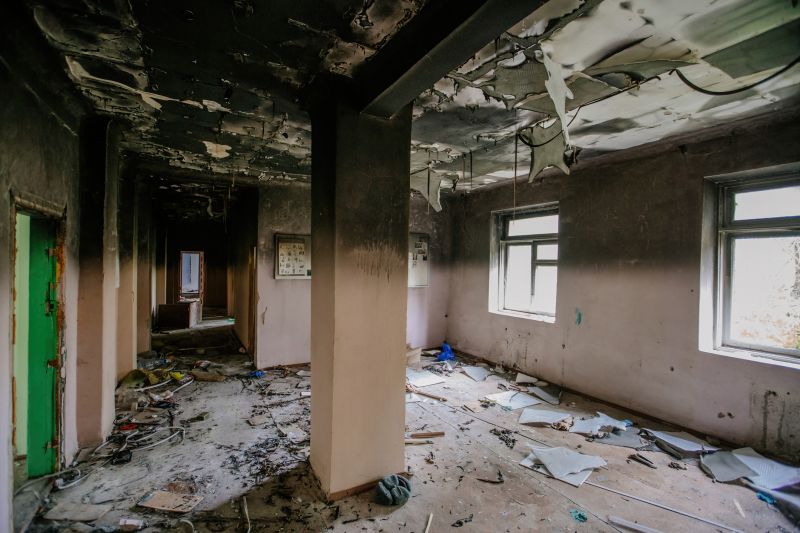
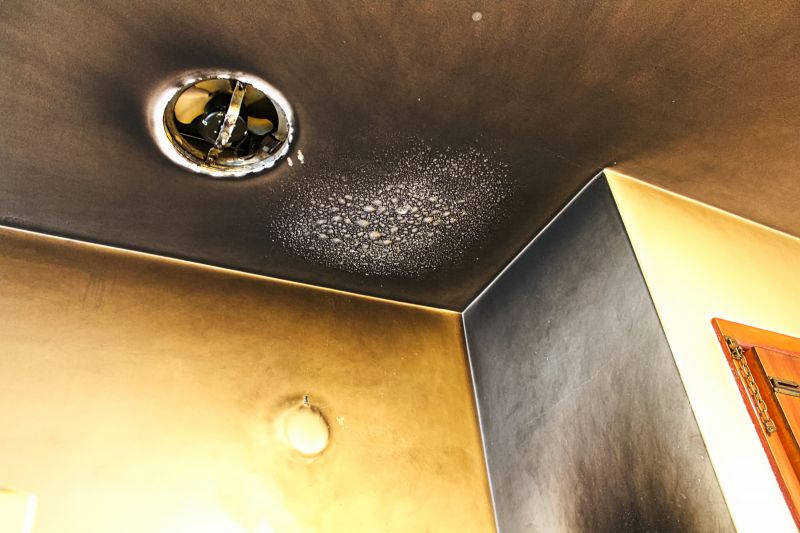
Soot restoration services typically involve cleaning and repairing surfaces affected by smoke residue from fires or other combustion sources. This work can include removing soot from walls, ceilings, and fixtures, as well as addressing any staining or lingering odors. Proper soot restoration helps improve the appearance of a property and can prevent further damage or deterioration caused by soot particles settling into surfaces over time. Service providers often use specialized cleaning techniques and equipment to ensure thorough removal, making it essential for property owners to understand the scope of work needed before engaging a contractor.
Defining the scope of soot restoration work is a critical step in ensuring the project meets expectations. Clearly outlining what areas require cleaning, what materials are involved, and what outcomes are desired helps prevent misunderstandings and scope creep. A detailed scope also provides a basis for comparing different service providers, enabling property owners to evaluate the experience and capabilities of local contractors. Having this information in writing can serve as a reference throughout the project, supporting effective communication and accountability.
When comparing local contractors for soot restoration, property owners should consider their experience with similar projects and the range of services offered. Verifying that a contractor understands the specific requirements of soot removal and surface restoration is important for achieving satisfactory results. It’s also helpful to review how each service provider approaches defining and documenting the scope of work, as this can impact the quality and consistency of the outcome. Gathering information about their methods, experience, and project approach can assist in making an informed choice and connecting with the right professional for the job.
Compare local contractors by outlining project priorities, verifying experience, and setting clear expectations in writing.
- Compare Contractors - Review multiple service providers to find those best suited for soot restoration needs.
- Define Scope - Clearly outline the work to ensure all parties understand the extent of soot removal and cleaning.
- Verify Experience - Check the background and past work of local contractors to assess their expertise in soot restoration.
- Set Expectations in Writing - Document the agreed-upon scope and details to help prevent misunderstandings during the project.
Clearly describe your soot restoration project upfront to effectively compare local contractors and set clear expectations.
- Verify the contractor's experience with soot restoration projects to ensure they have relevant expertise. - Assess how the scope of work is defined and whether it addresses all affected areas and surfaces.
- Compare multiple service providers to evaluate their approaches and ensure they align with your restoration needs. - Confirm that the contractors can provide detailed written estimates outlining the work to be performed.
- Check that the service providers specify the cleaning methods and materials they will use during soot removal. - Ensure that the scope of work includes proper containment and safety measures to prevent contamination spread.
- Review the contractors’ past work or references to gauge their ability to handle soot restoration effectively. - Clarify the expected outcomes and ensure these are documented in the service agreement.
- Ensure the contract clearly outlines the scope, procedures, and responsibilities to set clear expectations for the restoration process.
Compare local contractors' experience and clarify project scope to ensure your soot restoration needs are met effectively.
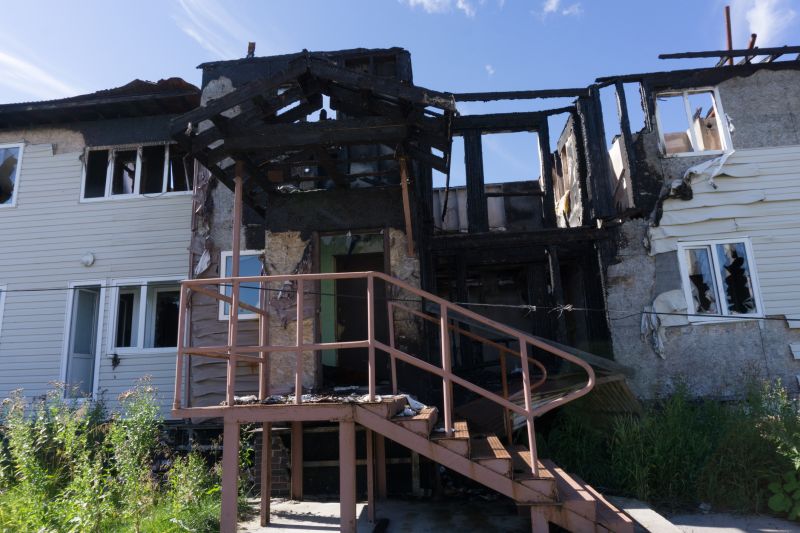
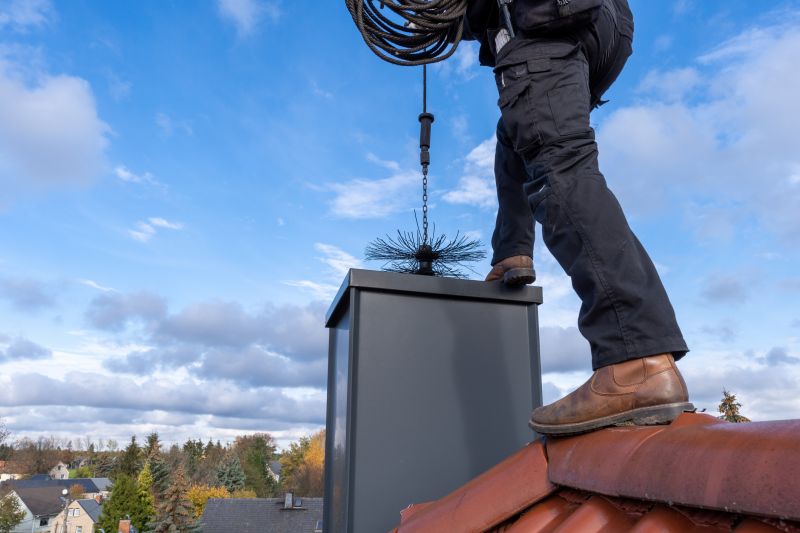
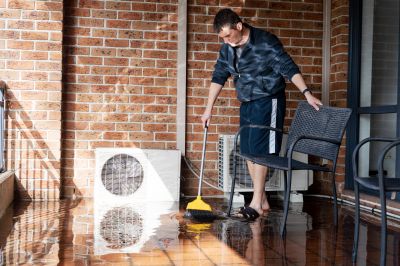
Use this section to compare local contractors' scope, verify experience, and clearly define expectations in writing.
- Scope Definition - Clearly outline the specific soot restoration services needed to ensure contractor understanding.
- Experience Verification - Confirm that local contractors have relevant experience with soot damage and restoration projects.
- Material and Method Details - Specify the types of cleaning agents, equipment, and techniques preferred or required for the job.
- Work Expectations - Establish the scope of work, including areas to be cleaned, surfaces involved, and level of soot removal expected.
- Written Agreement - Ensure all project details, scope, and expectations are documented in a formal written agreement.
When comparing contractors for soot restoration, it’s important to assess their experience with similar projects. Homeowners should inquire about the types of soot removal jobs the service providers have handled and how recent their relevant work is. Contractors with a proven track record in soot restoration are more likely to understand the unique challenges involved and apply effective techniques. Asking for details about past projects can help gauge their familiarity with the specific requirements of soot cleanup and whether they have successfully completed jobs comparable to the scope of the current needs.
A clear, written scope of work is essential to establishing mutual understanding and setting expectations. Homeowners should seek detailed descriptions of the services included, the steps involved in the restoration process, and any materials or methods that will be used. A well-defined scope helps prevent misunderstandings and ensures that both parties are aligned on what the project entails. It’s advisable to request this information in writing to review thoroughly before any agreement is made, providing a reference point throughout the project.
Verifying the basics of a contractor’s credentials involves confirming their experience, reputation, and ability to deliver on the scope of work. Homeowners can ask for references or reviews from previous clients who had similar soot restoration projects. Checking for consistency in the contractor’s background and seeking feedback about their professionalism and quality of work can provide valuable insights. Additionally, confirming that the service providers have the appropriate insurance coverage and adhere to industry standards can help protect against unforeseen issues during the restoration process.
When evaluating options, it’s helpful to compare how each contractor approaches the project scope, communication, and project management. Homeowners should look for service providers who are transparent about their methods, willing to provide detailed written proposals, and responsive to questions. Clarifying the process for handling unexpected issues or changes can also help set realistic expectations. By focusing on these aspects, homeowners can make informed decisions based on the quality of the approach and the professionalism of the service providers, rather than on pricing or promotional claims.
Ask contractors to provide written scope and details to ensure clarity and consistency throughout the soot restoration process.
- Experience and Specialization - What specific experience do local contractors have with soot restoration projects?
- Scope of Work - How do contractors define and document the scope of the soot restoration service?
- Comparison of Services - What types of soot damage cleanup and restoration methods do different service providers offer?
- Work Guarantees and Warranties - Do local contractors provide written guarantees or warranties for their soot restoration work?
- Communication and Clarification - How do service providers clarify project expectations and ensure understanding before starting work?
How can I compare contractors for soot restoration services? To compare contractors, review their experience, verify their reputation through reviews or references, and ensure they provide clear written estimates that define the scope of work.
What should I look for when choosing a soot restoration contractor? Look for contractors with proven experience in soot removal, clear communication, and detailed written agreements that outline the work to be performed.
How can I verify a contractor’s experience in soot restoration? Verify experience by asking for references, checking online reviews, and confirming that the contractor specializes in soot restoration projects similar to your needs.
Why is it important to have the scope of work in writing? Having the scope of work in writing helps set clear expectations, prevents misunderstandings, and provides a record of agreed-upon services to ensure accountability.
What questions should I ask contractors during the selection process? Ask about their previous experience with soot restoration, request details about their process, and inquire how they define the scope of work in their written proposals.
How can I ensure I am working with reputable service providers? Research local contractors, review their credentials and reputation, and ensure they provide comprehensive, written descriptions of the services they will perform.
Understanding the key aspects of soot restoration services can help in making informed decisions when selecting a contractor. Visitors learned how to clearly define the scope of work, verify the experience of service providers, and establish expectations in writing to ensure a smooth process. Comparing local contractors through a straightforward quote form allows for an efficient way to explore options and find the right fit for specific needs.
Utilizing the quote form provides a simple method to connect with service providers capable of handling soot restoration projects. It offers an opportunity to gather information, compare different local contractors, and determine which professionals align with the project requirements. Taking these steps can help facilitate a well-informed selection process tailored to individual circumstances.